
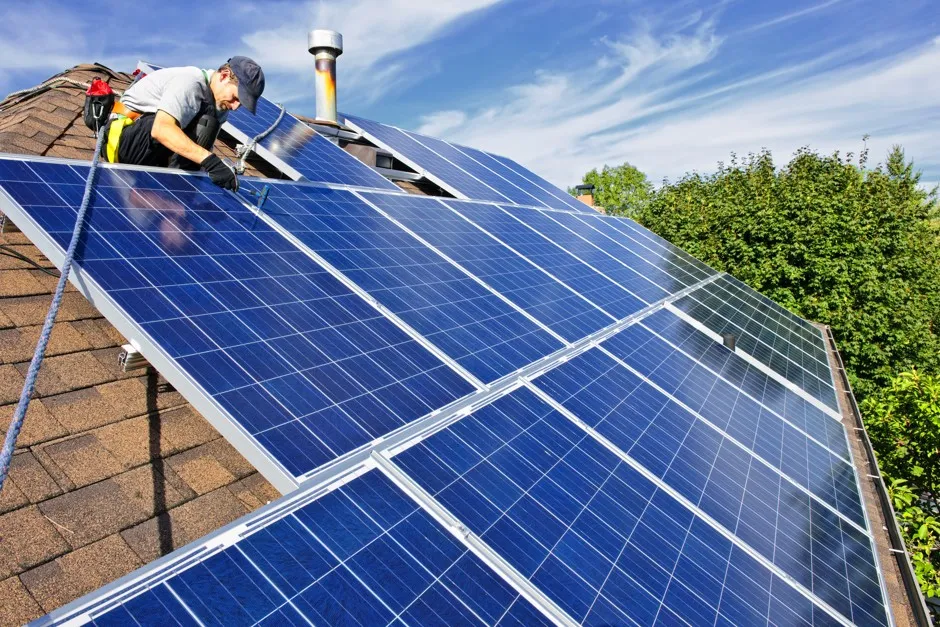
How Solar Panel Installation Can Lower Energy Bills for Residential and Commercial Properties

Rising electricity costs have become a common concern for both homeowners and business owners. Monthly utility bills often feel unpredictable, and long term energy expenses can make budgeting difficult. As people search for practical ways to regain control over energy spending, solar energy has moved from a niche option to a mainstream solution. Solar panel installation is now widely recognized as an effective way to reduce energy bills while supporting a more sustainable future.
This article explores how solar energy works, why it delivers measurable savings, and how residential and commercial properties can benefit financially over time. Whether you own a single-family home or manage a large commercial facility, understanding the financial impact of solar power can help you make informed energy decisions.
Understanding How Solar Energy Reduces Electricity Costs
Solar panels generate electricity by converting sunlight into usable power. Once installed, the system begins producing energy that can be used immediately within the property. This reduces the amount of electricity that must be purchased from the local utility provider.
Traditional electricity pricing is based on usage and rate increases set by utility companies. With solar energy, a portion or even most of your electricity is produced on site. This direct energy generation lowers dependence on the grid and leads to consistent reductions in monthly bills.
For many properties, solar energy offsets peak usage times when electricity rates are highest. By producing power during daylight hours, solar systems help avoid premium charges that often occur during periods of heavy demand.
Long Term Financial Benefits of Solar Panel Installation
One of the most appealing aspects of solar panel installation is its long term financial impact. While initial installation requires planning, the savings accumulate year after year.
Over time, reduced monthly electricity bills can add up to significant cost reductions. Many property owners see predictable energy expenses instead of fluctuating bills influenced by market changes. This stability is especially valuable for businesses that rely on accurate forecasting and operational budgeting.
Solar systems are also durable and designed to operate efficiently for decades. This longevity allows property owners to benefit from consistent savings long after the initial installation phase. As electricity prices continue to rise, the relative value of solar energy increases, making the investment even more impactful over time.
Residential Properties and Monthly Savings
For homeowners, energy bills often represent a large portion of monthly expenses. Heating, cooling, appliances, and electronics all contribute to steady energy use throughout the year. Solar energy addresses these needs by supplying clean power directly to the home.
A residential solar system can be tailored to match household consumption patterns. Homes with higher daytime energy use often see immediate reductions, while others benefit from stored energy credits that lower costs during evenings and weekends.
In addition to monthly savings, homeowners often enjoy increased property value. Energy efficient homes are attractive to buyers who want lower operating costs. This added value can be an important consideration for those thinking about long term ownership or future resale.
Commercial Properties and Operational Cost Reduction
Commercial properties face unique energy challenges. Large spaces, extended operating hours, and specialized equipment often result in high electricity consumption. Solar energy provides a powerful solution by reducing one of the most significant ongoing expenses for businesses.
Solar systems for commercial properties are designed to handle higher energy loads. By generating power during peak business hours, solar reduces reliance on expensive grid electricity. This directly improves operating margins and allows businesses to redirect funds toward growth, staffing, or facility improvements.
Predictable energy costs also support better financial planning. Businesses can avoid unexpected spikes in utility bills and maintain more stable cash flow. For industries with tight margins, these savings can make a meaningful difference.
Net Metering and Energy Credits
Many regions offer net metering programs that enhance the financial benefits of solar energy. When a solar system produces more electricity than a property uses, the excess power is sent back to the grid. In return, the property receives energy credits.
These credits can be applied to future utility bills, further lowering overall costs. Net metering is especially valuable for properties that generate significant solar power during sunny periods. Over the course of a year, these credits can offset electricity usage during times when solar production is lower.
This system allows property owners to maximize the value of every unit of solar energy generated. It also ensures that energy production remains efficient and cost effective throughout the year.
Incentives and Financial Support Options
Financial incentives play a major role in making solar energy accessible. Various programs at the federal, state, and local levels encourage adoption by reducing upfront costs and improving return on investment.
Tax credits and rebates can significantly lower the total expense of installation. These incentives are designed to promote renewable energy use and accelerate the transition away from traditional power sources. When combined with long term energy savings, incentives make solar panel installation a financially attractive option for many property owners.
Financing options also allow homeowners and businesses to spread costs over time. Monthly payments are often offset by immediate energy savings, creating a balanced approach to investment and cash flow.
Energy Independence and Protection From Rate Increases
Utility rates are influenced by fuel prices, infrastructure costs, and regulatory changes. These factors are outside the control of property owners, leading to uncertainty and rising expenses. Solar energy provides a degree of independence by allowing properties to generate their own power.
With solar systems in place, property owners are less exposed to future rate increases. This protection becomes more valuable as electricity prices continue to trend upward. Over the lifespan of a solar system, the cumulative savings can far exceed initial expectations.
Energy independence also enhances resilience. Properties with solar energy are better positioned to manage disruptions and maintain essential operations during periods of grid instability.
Environmental Value With Financial Rewards
While the financial benefits are a primary motivator, solar energy also delivers environmental advantages that align with economic goals. By reducing reliance on fossil fuels, solar systems lower emissions associated with electricity production.
For businesses, this commitment to sustainability can enhance brand reputation and appeal to environmentally conscious customers. Residential property owners often value the opportunity to reduce their environmental footprint while saving money.
These combined benefits make solar energy a practical and responsible choice. Financial savings and environmental impact work together, reinforcing the long term value of solar adoption.
The Importance of Location and Sun Exposure
Geographic location plays a key role in solar performance. Areas with high levels of sunlight offer strong potential for energy generation. This is one reason interest in solar energy continues to grow in sun rich regions.
Homeowners and businesses seeking a solar company in Phoenix, AZ often benefit from consistent sunlight throughout the year. This natural advantage allows solar systems to operate efficiently and deliver reliable energy production.
Proper system design and placement further enhance performance. Roof orientation, shading, and panel angle are carefully considered to ensure maximum exposure and optimal savings.
Maintenance Costs and Ongoing Efficiency
Another factor that supports long term savings is the low maintenance requirement of solar systems. Once installed, solar panels require minimal upkeep. Occasional cleaning and routine inspections help maintain efficiency without adding high costs.
Modern solar technology is built to withstand environmental exposure and operate reliably for many years. This durability ensures that energy savings are not offset by frequent repairs or replacements.
Low maintenance needs contribute to the overall cost effectiveness of solar energy. Property owners can enjoy predictable performance without ongoing financial burdens.
Planning for a Solar Powered Future
As energy demands continue to grow, solar power offers a forward thinking solution for both residential and commercial properties. Solar panel installation is no longer just an environmental statement. It is a strategic financial decision that delivers measurable results.
By reducing monthly energy bills, protecting against rising rates, and providing long term stability, solar energy supports smarter property management. Whether you are a homeowner looking to lower household expenses or a business aiming to reduce operational costs, solar power presents a clear path toward sustainable savings.
For those exploring solar options, understanding how energy production translates into financial benefits is essential. With the right planning and a well designed system, solar energy can transform the way properties consume power and manage costs for decades to come.