
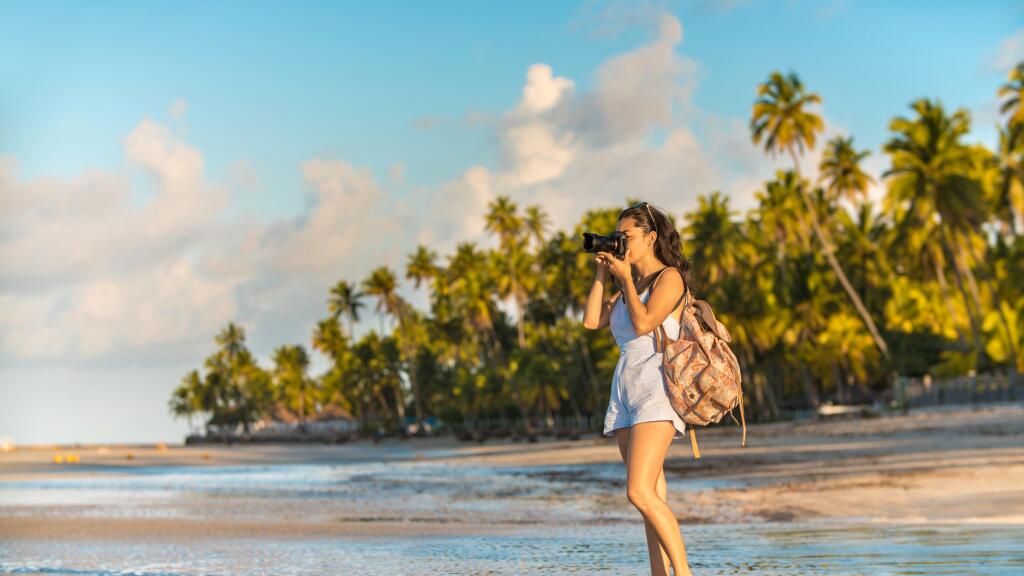

Travel photography is more than documenting places. It is about preserving real experiences, emotions, and cultural interactions that reflect the spirit of a destination. Authentic travel images help viewers feel present in the moment rather than simply observing scenery.
Capturing these moments requires awareness, patience, and thoughtful technique. With the right approach, travelers can create meaningful photographs that tell genuine stories instead of staged snapshots.
Understanding What Makes A Travel Photo Authentic
Authentic travel photography reflects natural experiences rather than forced poses or overly edited visuals. It highlights daily life, cultural identity, and real human interaction.
Photographers aiming for authenticity should focus on:
- Natural expressions instead of posed smiles
- Real environments rather than artificial backgrounds
- Everyday activities that reveal local lifestyles
- Genuine cultural elements without exaggeration
When images represent reality honestly, they become more powerful and memorable.
Observing Before Taking The Shot
One of the most effective habits in travel photography is learning to observe surroundings carefully before lifting the camera.
Observation helps photographers notice:
- Patterns of movement in busy streets
- Light changes across landscapes
- Interactions between people and places
- Emotional expressions during daily routines
Waiting for the right moment often produces stronger photographs than taking multiple quick shots without intention.
Using Natural Light To Enhance Storytelling
Light plays a major role in shaping the mood of travel photographs. Natural light creates depth, contrast, and emotional tone that artificial lighting rarely matches.
Ideal lighting conditions include:
- Early morning for soft shadows and calm scenes
- Late afternoon for warm tones and textures
- Overcast conditions for balanced portraits
- Window light for indoor cultural environments
Understanding how light interacts with surroundings helps photographers create visually engaging compositions.
Capturing People Respectfully And Naturally
People are central to authentic travel photography because they represent the culture of a destination. Respectful interaction improves both the experience and the quality of images.
Important practices include:
- Asking permission when appropriate
- Showing interest in local traditions
- Maintaining comfortable distance
- Avoiding intrusive photography during sensitive moments
Respect builds trust and often leads to more expressive and meaningful portraits.
Composing Strong Visual Narratives
Composition helps transform ordinary scenes into compelling visual stories. Thoughtful framing directs the viewer’s attention toward important details.
Useful composition techniques include:
- Applying the rule of thirds for balanced framing
- Using leading lines to guide visual movement
- Including foreground elements for depth
- Framing subjects through natural surroundings
Strong composition helps viewers understand the context of the scene without explanation.
Documenting Everyday Life Instead Of Tourist Highlights
Many travelers focus only on landmarks, but authentic storytelling often exists beyond popular attractions. Daily life reveals the character of a destination more clearly than monuments alone.
Photographers can capture authenticity by exploring:
- Local markets and food preparation areas
- Neighborhood streets away from major attractions
- Public transportation experiences
- Community gatherings and celebrations
These moments provide insight into how people truly live.
Staying Ready For Unplanned Opportunities
Travel environments change quickly. Unexpected moments often produce the most meaningful photographs.
Being prepared includes:
- Keeping camera settings adjusted for quick response
- Carrying lightweight equipment for mobility
- Observing surroundings continuously
- Anticipating movement within busy environments
Preparation increases the chances of capturing spontaneous moments naturally.
Choosing The Right Equipment Without Overcomplicating
Professional equipment can improve technical quality, but authentic travel photography depends more on awareness than gear complexity.
Practical equipment choices include:
- Lightweight cameras for easy movement
- Prime lenses for sharper storytelling portraits
- Wide angle lenses for environmental context
- Extra batteries for extended exploration
Simple equipment often encourages photographers to focus more on creativity and observation.
Editing Photos While Preserving Realism
Post processing should enhance clarity without altering the truth of the moment. Excessive editing can reduce authenticity and misrepresent cultural environments.
Balanced editing focuses on:
- Adjusting brightness and contrast carefully
- Preserving natural colors
- Maintaining realistic textures
- Avoiding heavy filters that change atmosphere
Authenticity is strongest when editing supports rather than transforms the original scene.
Developing A Personal Photography Perspective
Authentic travel photography improves as photographers develop their own visual style. Personal perspective helps images stand apart from typical travel content.
Ways to strengthen personal style include:
- Photographing subjects that feel meaningful
- Revisiting themes across different destinations
- Studying how light shapes preferred compositions
- Reflecting on emotional responses during travel experiences
Consistency in perspective builds stronger storytelling over time.
Conclusion
Capturing authentic travel photographs requires attention, respect, and thoughtful observation. By focusing on natural light, real interactions, meaningful composition, and everyday environments, photographers can document experiences that reflect the true identity of a place. Authentic travel photography not only preserves memories but also helps viewers connect with destinations through genuine visual storytelling.
Frequently Asked Questions
What camera settings help capture moving travel scenes effectively
Using faster shutter speeds helps freeze motion in busy environments such as markets or festivals, allowing photographers to capture clear action moments.
How can photographers stay safe while taking photos in unfamiliar locations
Researching destinations in advance, staying aware of surroundings, and avoiding isolated areas during low visibility hours improves safety during travel photography sessions.
Is it better to shoot travel photos in raw format or jpeg
Raw format preserves more image data, giving photographers greater flexibility during editing without reducing image quality.
How can travelers organize large numbers of travel photographs efficiently
Creating location based folders, adding descriptive file names, and tagging images with keywords helps manage photo collections effectively.
What role does storytelling play in travel photography portfolios
Storytelling helps connect individual photographs into a meaningful sequence that communicates a complete travel experience rather than isolated moments.
How can beginners practice travel photography without traveling internationally
Exploring nearby neighborhoods, markets, cultural events, and natural landscapes provides excellent opportunities to develop travel photography skills locally.
What mistakes should photographers avoid when documenting cultural traditions
Avoid interrupting ceremonies, photographing restricted areas without permission, or misrepresenting traditions through excessive editing or staged scenes.


