
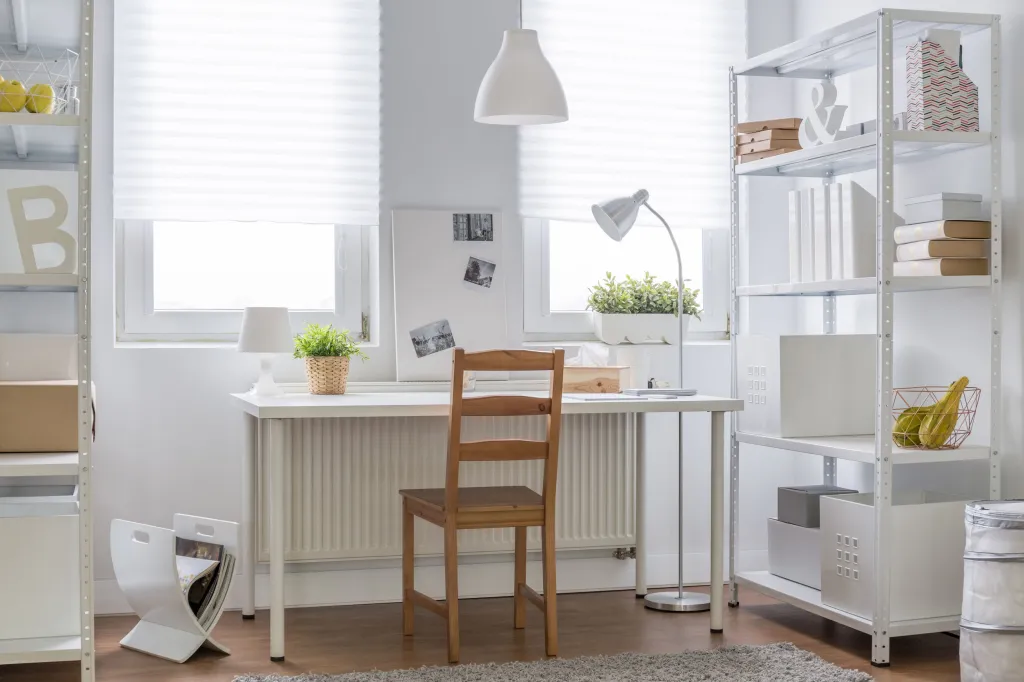

Creating a dedicated study area inside a small home can improve concentration, productivity, and daily organization without requiring major renovations. With thoughtful planning and smart furniture choices, even compact spaces can support effective learning and work routines.
A functional study setup focuses on comfort, accessibility, lighting, and storage while making the most of limited available space.
Select the Right Location Within the Home
Choosing an appropriate spot is the first step in designing a practical study area. Even small unused corners can become productive work zones when arranged correctly.
Suitable locations may include:
- Quiet bedroom corners
- Living room wall sections
- Spaces near windows
- Areas under staircases
- Hallway niches with adequate lighting
Selecting a distraction free location improves focus and consistency in daily study habits.
Use Space Saving Furniture for Better Efficiency
Compact furniture helps maximize limited room while maintaining comfort. Selecting multifunctional pieces ensures the study area remains practical without overcrowding the home.
Effective furniture choices include:
- Foldable study desks
- Wall mounted floating desks
- Compact chairs with back support
- Storage benches with hidden compartments
These options create usable workspaces without occupying unnecessary floor space.
Improve Lighting for Comfortable Study Sessions
Lighting plays a critical role in maintaining concentration and reducing eye strain. Proper illumination supports longer and more comfortable study periods.
Recommended lighting strategies include:
- Positioning desks near natural light sources
- Using adjustable desk lamps for evening study
- Avoiding harsh overhead lighting alone
- Maintaining balanced brightness levels across the workspace
Good lighting improves both productivity and comfort.
Add Vertical Storage to Save Floor Space
Vertical storage solutions help organize study materials while preserving walking space in small homes. Walls can serve as valuable storage areas when used efficiently.
Useful vertical storage ideas include:
- Floating shelves above desks
- Wall mounted organizers
- Pegboards for accessories
- Hanging document holders
These solutions keep study supplies accessible without cluttering the desk surface.
Keep the Study Area Organized and Clutter Free
A clean workspace supports better focus and faster task completion. Maintaining organization is especially important when working within limited space.
Simple organization methods include:
- Using labeled storage boxes
- Keeping only essential materials on the desk
- Storing books vertically on shelves
- Creating separate sections for different subjects
Consistent organization prevents the workspace from becoming overcrowded.
Choose Comfortable Seating for Long Study Hours
Comfortable seating improves posture and reduces physical strain during extended study sessions. Even compact chairs can support healthy sitting habits if selected carefully.
Important seating features to consider include:
- Proper back support
- Comfortable seat height
- Stable base structure
- Lightweight mobility if needed
Comfortable seating encourages longer and more productive study routines.
Minimize Distractions Within Shared Spaces
Small homes often require shared living environments. Designing study areas that reduce interruptions helps maintain concentration throughout the day.
Practical distraction reducing strategies include:
- Using room dividers or shelves as partitions
- Positioning desks facing walls instead of open areas
- Establishing fixed study schedules
- Keeping entertainment devices away from the workspace
These adjustments improve learning efficiency even in busy households.
Personalize the Study Area for Motivation
Adding personal elements makes the study space more inviting and encourages consistent use. A comfortable environment supports better mental engagement with tasks.
Personalization ideas include:
- Displaying motivational notes
- Adding indoor plants
- Using simple wall boards for reminders
- Selecting calming color themes
A visually pleasant workspace supports sustained attention and productivity.
Maintain Flexible Layouts for Multi Purpose Use
In small homes, study areas often serve multiple functions. Flexible layouts allow spaces to adapt easily throughout the day.
Examples of flexible arrangements include:
- Foldable desks that close after use
- Portable storage units
- Stackable chairs
- Convertible wall mounted tables
Flexible setups ensure the study area remains practical without affecting other household activities.
Frequently Asked Questions
What is the ideal desk size for small home study areas
A compact desk between eighty and one hundred centimeters wide usually provides enough surface space while fitting comfortably into smaller rooms.
How can parents create study areas for children in shared rooms
Parents can assign separate corners for each child and use shelves or partitions to create visual boundaries between study zones.
Are wall mounted desks strong enough for daily study use
Yes properly installed wall mounted desks are stable and suitable for regular use when fixed securely into strong wall surfaces.
How can noise be reduced in small home study spaces
Using curtains rugs and upholstered furniture helps absorb sound and create a quieter study environment.
Is it better to study near a window or away from it
Studying near a window is generally beneficial because natural light improves comfort and concentration during reading and writing tasks.
What colors work best for small study spaces
Light neutral colors such as white beige and soft grey help make study areas appear larger and more calming.
How often should study areas be reorganized for better productivity
Reviewing and reorganizing the study space once every few weeks helps maintain efficiency and prevents clutter buildup.