
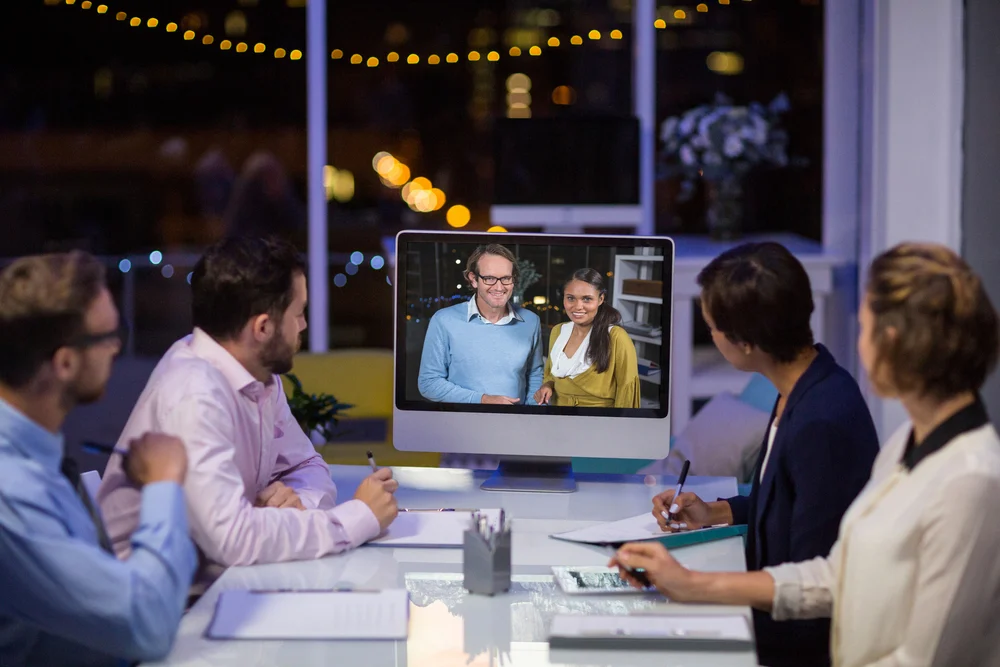
How Remote Work Models Are Redefining Traditional Business Structures Worldwide

Remote work has shifted from a temporary operational adjustment into a long term structural transformation across industries. Organizations around the world are rethinking how teams collaborate, how offices are used, how leadership functions, and how talent is recruited. Instead of being tied to physical locations, businesses are increasingly adopting flexible work models that support distributed teams and digital coordination.
This shift is redefining traditional business structures in measurable and lasting ways.
Expansion of Global Talent Access
One of the most significant structural changes caused by remote work is the removal of geographic hiring limitations. Companies are no longer restricted to candidates living near office locations.
Organizations can now:
- Recruit specialists from different countries
- Build diverse and multilingual teams
- Access niche technical expertise
- Reduce relocation costs
- Strengthen global competitiveness
This shift allows companies to prioritize skill over location when building teams.
Transformation of Office Space Requirements
Traditional centralized office environments are gradually being replaced with flexible workplace strategies. Many organizations are reducing physical office footprints while investing more in digital collaboration tools.
Businesses are adopting approaches such as:
- Hybrid work environments
- Shared workspace models
- Regional collaboration hubs
- Flexible seating arrangements
- Remote first policies
These adjustments help reduce operational expenses while maintaining productivity.
Changes in Organizational Hierarchies
Remote work encourages flatter organizational structures because digital collaboration platforms make communication faster and more direct.
As a result, companies are experiencing:
- Reduced dependence on middle management layers
- Faster decision making processes
- Increased transparency across departments
- Improved cross functional collaboration
- Stronger accountability through measurable outcomes
Teams are becoming more agile and responsive to change.
Increased Emphasis on Performance Based Evaluation
Traditional workplace systems often relied on physical presence as an indicator of productivity. Remote work has shifted evaluation methods toward measurable output and performance indicators.
Organizations now focus more on:
- Task completion quality
- Project timelines
- Team contribution levels
- Innovation outcomes
- Communication effectiveness
This results oriented approach strengthens operational clarity.
Growth of Digital Collaboration Infrastructure
Remote work models depend heavily on digital collaboration systems that support communication and workflow coordination.
Businesses are investing in tools that support:
- Real time communication
- Virtual meetings
- Document sharing
- Task management systems
- Workflow tracking platforms
These technologies help maintain productivity regardless of location.
Shift Toward Flexible Work Schedules
Remote work has encouraged organizations to move away from fixed working hours toward flexible scheduling models.
Flexible structures allow employees to:
- Work across time zones efficiently
- Balance personal responsibilities
- Improve concentration during peak productivity periods
- Reduce commuting related stress
- Maintain healthier work routines
Flexible scheduling improves both satisfaction and output.
Strengthening of Employee Autonomy and Trust
Distributed teams require higher levels of independence and responsibility. Managers are shifting from supervision based leadership toward trust based leadership models.
This transition supports:
- Greater ownership of responsibilities
- Stronger motivation levels
- Improved problem solving initiative
- Increased professional confidence
- Better long term engagement
Trust driven environments often produce stronger performance outcomes.
Redefinition of Leadership Roles
Leadership responsibilities are evolving as organizations adopt remote structures. Managers are focusing more on communication clarity, coordination, and employee support rather than physical supervision.
Modern leadership strategies include:
- Setting clear expectations
- Supporting digital collaboration culture
- Encouraging transparent communication
- Monitoring progress through data insights
- Promoting inclusive remote participation
These changes strengthen leadership effectiveness across distributed teams.
Rise of Cross Border Business Operations
Remote work has made it easier for companies to operate across international markets without establishing physical offices in each region.
Organizations can now:
- Manage international teams remotely
- Support global customer service operations
- Expand into new markets faster
- Build regional partnerships digitally
- Reduce infrastructure investment requirements
This flexibility accelerates global expansion opportunities.
Impact on Workplace Culture Development
Remote work is reshaping how organizations build and maintain workplace culture. Instead of relying on physical interaction alone, companies are creating digital engagement strategies.
Examples include:
- Virtual team meetings
- Online learning programs
- Remote recognition initiatives
- Digital mentoring sessions
- Structured communication channels
Strong culture can still develop effectively within distributed environments when communication remains consistent.
Frequently Asked Questions
1. What industries benefit most from remote work structures
Technology services, consulting, education, digital marketing, finance support roles, and creative industries often adapt quickly to remote work environments.
2. How does remote work influence employee retention rates
Organizations offering flexible work options often experience improved retention because employees value location independence and schedule flexibility.
3. Are remote work models suitable for large enterprises
Large enterprises can successfully implement remote work through structured communication systems, clear policies, and strong digital infrastructure.
4. How does remote work affect business continuity planning
Remote structures improve resilience because operations can continue even during disruptions that limit physical office access.
5. What role does cybersecurity play in remote business environments
Cybersecurity becomes essential as companies must protect distributed networks, cloud platforms, and remote device access points.
6. Can remote work support innovation within organizations
Innovation can remain strong when teams use structured brainstorming tools, digital collaboration platforms, and cross functional communication strategies.
7. How are employee onboarding processes changing in remote organizations
Companies are adopting structured digital onboarding programs that include virtual orientation sessions, training modules, and remote mentorship support systems.