
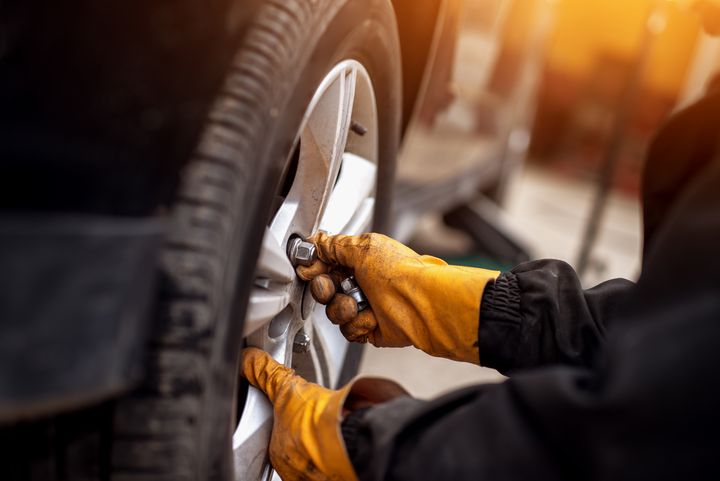

Tire rotation is one of the most practical and cost effective maintenance habits that vehicle owners can follow to improve performance efficiency and extend tire lifespan. Because each tire experiences different levels of pressure and friction depending on its position, uneven wear naturally develops over time. Rotating tires at regular intervals helps distribute wear evenly and supports smoother driving conditions.
Understanding the benefits of tire rotation allows drivers to improve safety, fuel efficiency, and overall vehicle reliability without major expenses.
Understanding What Tire Rotation Means
Tire rotation refers to changing the position of each tire on a vehicle according to a recommended pattern. This helps balance wear between front and rear tires as well as between left and right sides.
Common tire rotation patterns include:
- Front tires moved to rear positions
- Rear tires moved to front positions
- Cross rotation depending on vehicle type
- Direction specific rotation for specialized tires
Following proper rotation patterns helps maintain consistent tire condition across all wheels.
Promotes Even Tire Wear Across All Wheels
Front tires often wear faster than rear tires because they handle steering and a larger share of braking forces. Without rotation, this imbalance reduces tire lifespan and driving stability.
Even tire wear helps:
- Extend overall tire durability
- Maintain balanced traction on roads
- Reduce vibration while driving
- Improve handling performance
Balanced wear ensures all tires perform consistently in different road conditions.
Improves Fuel Efficiency During Daily Driving
Uneven tires increase rolling resistance, which forces the engine to work harder. Regular tire rotation helps maintain uniform contact with the road surface and reduces unnecessary strain on the vehicle.
Efficiency benefits include:
- Reduced engine workload
- Improved fuel economy over time
- Smoother rolling movement
- Lower long term operating costs
Maintaining equal tire condition supports better energy efficiency during travel.
Enhances Vehicle Handling and Driving Stability
Properly rotated tires improve steering response and overall control. When tires wear unevenly, vehicles may pull slightly to one side or feel unstable during turns.
Handling improvements include:
- Better steering precision
- Improved cornering balance
- Reduced road vibration
- Increased driving comfort
Stable handling becomes especially important during highway travel and wet road conditions.
Supports Longer Suspension Component Life
Uneven tire wear places additional stress on suspension components such as shocks and struts. Regular rotation helps maintain balanced contact with the road and reduces unnecessary strain on these systems.
Benefits for suspension health include:
- Reduced stress on steering parts
- Lower risk of alignment issues
- Improved ride comfort
- Longer component service life
Protecting suspension components helps maintain overall vehicle stability.
Reduces Road Noise and Driving Vibrations
As tires wear unevenly, they can produce noticeable noise and vibrations inside the vehicle cabin. Rotating tires regularly helps maintain smoother contact with road surfaces.
Noise reduction advantages include:
- Quieter driving experience
- Less cabin vibration
- Improved passenger comfort
- Better long distance travel quality
Consistent tire condition improves both comfort and control during daily driving.
Improves Safety in Different Weather Conditions
Balanced tire wear ensures consistent traction across all wheels, which becomes especially important during rain or slippery road conditions.
Safety improvements include:
- Better braking performance
- Improved wet road traction
- More predictable steering response
- Reduced risk of tire related instability
Reliable traction supports safer driving in changing weather environments.
Helps Detect Early Tire and Alignment Problems
Routine tire rotation creates opportunities for technicians to inspect tires closely. Early detection of damage or alignment problems helps prevent expensive repairs later.
Inspection benefits include:
- Identification of abnormal wear patterns
- Detection of small punctures
- Monitoring tire pressure condition
- Checking wheel alignment accuracy
Early maintenance attention improves long term vehicle reliability.
Recommended Tire Rotation Frequency for Most Vehicles
Most manufacturers recommend rotating tires after a fixed distance interval. Following this schedule ensures consistent tire performance.
Typical rotation timing guidelines include:
- Every five thousand to eight thousand kilometers
- During routine oil change appointments
- Before long distance travel
- After noticing uneven wear patterns
Regular scheduling helps maintain balanced tire condition throughout their service life.
Frequently Asked Questions
Does tire rotation affect braking performance directly
Yes balanced tire wear improves contact with the road surface which supports more stable and predictable braking response.
Can tire rotation improve steering wheel alignment feel
Yes drivers often notice smoother steering response after tire rotation because traction becomes more evenly distributed across all wheels.
Is tire rotation necessary for vehicles with new tires
Yes rotation should begin early in a tire lifespan to prevent uneven wear from developing in the first place.
Do all vehicles follow the same tire rotation pattern
No rotation patterns vary depending on whether the vehicle uses front wheel drive rear wheel drive or all wheel drive systems.
Can skipping tire rotation shorten tire lifespan significantly
Yes neglecting rotation often causes premature wear on certain tires which leads to earlier replacement requirements.
Should spare tires be included during rotation schedules
Some vehicles allow spare tires to be included in rotation depending on manufacturer recommendations and spare tire type.
Does tire rotation help improve resale value of vehicles
Maintaining tires evenly improves overall vehicle condition which can support stronger resale value during ownership transfer.