
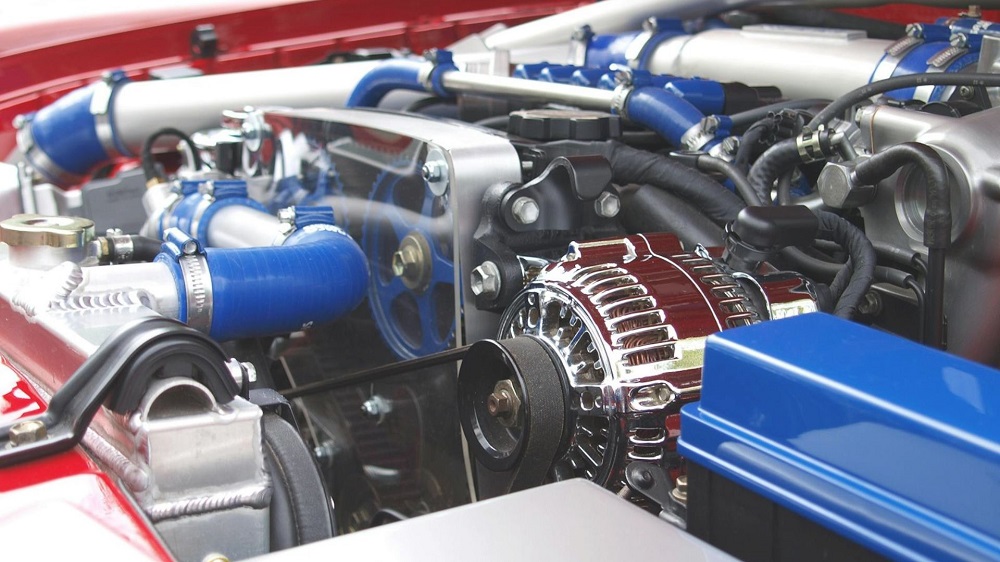

A vehicle engine is designed to operate reliably for many years, but its lifespan depends heavily on how it is maintained and driven. Natural engine care focuses on consistent habits rather than expensive repairs or complex modifications. With routine attention and responsible driving practices, vehicle owners can significantly improve engine durability and long term performance.
Adopting simple maintenance routines early helps reduce mechanical wear, improve fuel efficiency, and prevent costly breakdowns.
Follow a Consistent Engine Oil Replacement Schedule
Engine oil lubricates internal components and reduces friction between moving parts. Over time, oil loses effectiveness and becomes contaminated with dirt and debris.
Healthy oil maintenance habits include:
- Checking engine oil levels regularly
- Replacing oil according to manufacturer recommendations
- Using the correct oil grade specified for the vehicle
- Monitoring unusual oil consumption patterns
Fresh engine oil protects internal components and supports smooth engine operation.
Warm Up the Engine Before Driving Aggressively
Engines perform best when they reach their normal operating temperature gradually. Sudden acceleration immediately after starting the vehicle increases stress on engine components.
Safe warm up practices include:
- Allowing the engine to run briefly before driving
- Avoiding high speed driving immediately after startup
- Driving gently during the first few minutes of operation
- Monitoring engine temperature indicators
Controlled warm up reduces internal wear and improves engine longevity.
Maintain Proper Cooling System Performance
The cooling system prevents overheating by regulating engine temperature. Poor cooling system maintenance can cause severe engine damage over time.
Cooling system care includes:
- Checking coolant levels regularly
- Inspecting radiator hoses for leaks or cracks
- Replacing coolant at recommended intervals
- Watching for rising temperature warning signs
Stable engine temperature supports reliable performance in all driving conditions.
Replace Air Filters to Support Efficient Combustion
Air filters prevent dust and contaminants from entering the engine. A clogged filter restricts airflow and reduces combustion efficiency.
Benefits of clean air filters include:
- Improved fuel economy
- Better engine responsiveness
- Reduced emissions output
- Enhanced engine protection
Routine filter replacement helps maintain balanced engine performance.
Avoid Frequent Short Distance Driving When Possible
Short trips prevent engines from reaching their ideal operating temperature. This leads to incomplete fuel combustion and increased internal residue buildup.
Healthier driving habits include:
- Combining multiple errands into one trip
- Allowing the engine to run long enough for full warm up
- Planning efficient travel routes
- Reducing unnecessary cold starts
Longer operating cycles help maintain cleaner internal engine conditions.
Monitor Dashboard Warning Indicators Promptly
Modern vehicles provide early alerts when engine related issues begin to develop. Ignoring warning indicators can lead to serious mechanical damage.
Important monitoring habits include:
- Responding quickly to warning lights
- Scheduling inspections when alerts appear
- Avoiding continued driving during overheating conditions
- Keeping track of unusual engine sounds
Early attention prevents minor problems from becoming expensive repairs.
Use High Quality Fuel Suitable for Your Engine
Fuel quality directly affects combustion efficiency and engine cleanliness. Using recommended fuel types helps maintain internal engine health.
Fuel related care practices include:
- Selecting fuel with proper octane rating
- Avoiding contaminated fuel sources
- Refueling at trusted stations
- Keeping fuel levels above minimum limits regularly
Proper fuel selection supports consistent engine performance.
Maintain Clean Engine Components Regularly
Dust and debris around engine components can interfere with cooling and airflow. Periodic cleaning helps maintain optimal working conditions.
Engine cleanliness practices include:
- Removing loose dirt from engine surfaces carefully
- Inspecting wiring and connectors visually
- Checking belts for early wear signs
- Keeping battery terminals clean
A clean engine compartment supports better inspection and maintenance efficiency.
Drive Smoothly to Reduce Internal Engine Stress
Driving behavior directly affects engine life. Aggressive acceleration and sudden braking increase strain on internal components.
Engine friendly driving habits include:
- Maintaining steady speeds whenever possible
- Avoiding unnecessary high engine revolutions
- Reducing harsh acceleration
- Shifting gears smoothly in manual vehicles
Smooth driving improves overall mechanical durability.
Schedule Periodic Professional Inspections
Routine inspections help detect hidden issues that may not be visible during daily use. Professional servicing ensures the engine remains in reliable condition.
Inspection benefits include:
- Early identification of component wear
- Accurate performance evaluation
- Improved fuel efficiency monitoring
- Reduced risk of unexpected breakdowns
Regular inspections support long term engine reliability.
Frequently Asked Questions
How many kilometers can a well maintained engine typically last
With proper maintenance many engines can operate efficiently beyond two hundred thousand kilometers depending on driving conditions and servicing quality.
Does engine idling for long periods reduce engine life
Extended idling can increase fuel consumption and contribute to internal carbon buildup which may affect long term performance.
Is synthetic engine oil better for extending engine life
Synthetic oil generally provides improved lubrication stability and performs better under extreme temperature conditions compared to conventional oil.
How often should engine coolant be replaced
Coolant replacement intervals vary by vehicle type but many manufacturers recommend replacement every two to five years.
Can poor driving habits permanently damage engines
Repeated aggressive driving and ignoring maintenance schedules can accelerate internal wear and reduce engine lifespan significantly.
Does regular engine cleaning improve vehicle performance
Keeping engine components clean supports airflow and easier inspection which contributes to better maintenance efficiency.
Should vehicles be serviced even if no problems appear
Preventive servicing helps identify early signs of wear before they develop into major mechanical failures.