
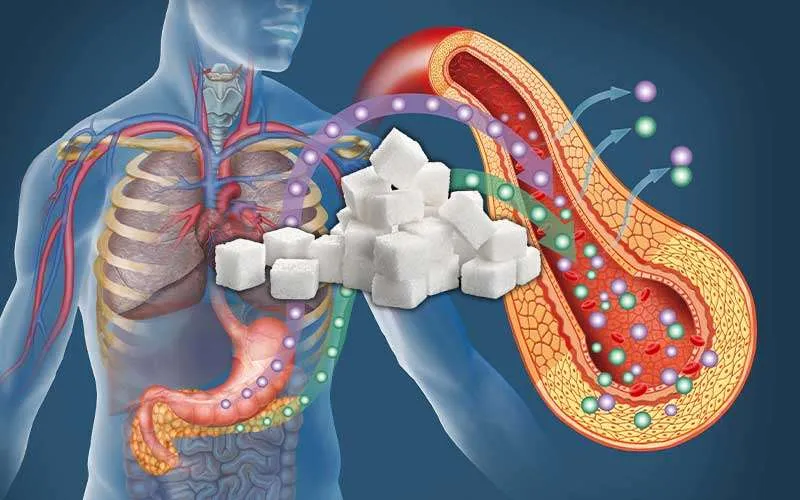

Sugar is a major part of modern diets, found not only in sweets but also in packaged foods, beverages, sauces, and processed snacks. While the body needs small amounts of natural sugars for energy, excessive intake can disrupt several biological systems. Understanding how sugar affects the body helps people make smarter food choices and maintain long term health.
What Happens When You Eat Sugar
When sugar enters the body, it is quickly broken down into glucose. Glucose travels through the bloodstream and serves as a primary energy source for cells. The pancreas releases insulin, a hormone that helps move glucose into cells where it can be used for fuel.
In moderate amounts, this process supports:
- Brain function
- Muscle activity
- Cellular metabolism
However, repeated spikes in blood sugar can place stress on the body over time.
Sugar and Brain Function
The brain relies heavily on glucose for energy. Small amounts support alertness, memory, and concentration. But excessive sugar consumption may lead to short term energy bursts followed by fatigue.
Over time, high sugar intake may contribute to:
- Reduced attention span
- Mood fluctuations
- Increased cravings
- Sleep disturbances
Research also suggests that diets high in refined sugar may affect memory processing and learning ability.
Effects of Sugar on Weight Gain
Excess sugar that the body does not immediately use for energy is stored as fat. Sugary beverages are especially linked to weight gain because they provide calories without creating a lasting feeling of fullness.
Regular high sugar intake increases the risk of:
- Increased body fat
- Slower metabolism efficiency
- Greater appetite signals
- Higher calorie consumption overall
Weight gain from sugar often accumulates gradually, making it difficult to notice early changes.
Impact on Heart Health
High sugar intake has been associated with several cardiovascular concerns. Diets rich in added sugars may increase triglyceride levels and contribute to inflammation within blood vessels.
Possible long term effects include:
- Higher blood pressure
- Increased risk of heart disease
- Elevated cholesterol imbalance
- Greater strain on circulation
Reducing added sugar intake supports healthier cardiovascular function over time.
Sugar and the Risk of Type 2 Diabetes
Frequent consumption of refined sugars can contribute to insulin resistance. This condition occurs when the body’s cells respond less effectively to insulin, forcing the pancreas to produce more of it.
Over time, insulin resistance may lead to type 2 diabetes. Risk increases further when high sugar intake is combined with low physical activity and excess body weight.
Managing sugar intake helps stabilize blood glucose levels and supports metabolic balance.
Effects on Skin Health
Sugar can influence skin appearance through a process called glycation. During glycation, sugar molecules attach to proteins such as collagen and elastin, weakening skin structure.
This may contribute to:
- Early wrinkles
- Reduced skin elasticity
- Increased acne inflammation
- Dull skin tone
Lowering sugar intake often supports clearer and more resilient skin over time.
Sugar and Dental Health
Sugar plays a direct role in tooth decay. Bacteria in the mouth feed on sugar and produce acids that weaken tooth enamel.
Frequent exposure increases the likelihood of:
- Cavities
- Tooth sensitivity
- Gum irritation
- Enamel erosion
Maintaining oral hygiene and reducing sugary snacks between meals helps protect dental health.
Natural Sugar Versus Added Sugar
Not all sugars affect the body in the same way. Natural sugars found in fruits and dairy come with fiber, vitamins, and minerals that slow digestion and improve nutrient absorption.
Added sugars, commonly found in processed foods, are absorbed quickly and provide little nutritional benefit.
Common sources of added sugar include:
- Soft drinks
- Packaged desserts
- Sweetened cereals
- Flavored yogurts
- Processed sauces
Choosing whole foods helps maintain stable energy levels and supports overall wellness.
Recommended Daily Sugar Intake
Health experts recommend limiting added sugar consumption to reduce long term health risks.
General guidance suggests:
- Adults should keep added sugar below ten percent of daily calories
- Lower intake levels provide additional health benefits
- Children should consume even smaller amounts
Reading nutrition labels helps identify hidden sugar sources in everyday foods.
Practical Ways to Reduce Sugar Intake
Reducing sugar does not require extreme dietary changes. Small adjustments can significantly improve health outcomes.
Effective strategies include:
- Choosing water instead of sweetened beverages
- Eating whole fruits instead of desserts
- Checking ingredient labels carefully
- Cooking more meals at home
- Avoiding frequent packaged snacks
Consistent habits produce measurable improvements over time.
Frequently Asked Questions
Does sugar affect energy levels throughout the day
Yes. High sugar intake often causes rapid energy spikes followed by sudden drops that may lead to fatigue and reduced concentration later in the day.
Can reducing sugar improve sleep quality
Lower sugar consumption may help stabilize blood glucose levels overnight, which supports more consistent sleep patterns.
Is fruit sugar harmful in the same way as refined sugar
Fruit contains fiber and nutrients that slow sugar absorption, making it less harmful compared to refined sugar found in processed foods.
How does sugar influence digestion
Excess sugar can disturb gut bacteria balance and may contribute to bloating and digestive discomfort in some individuals.
Does sugar affect immune system performance
Very high sugar intake may temporarily weaken immune responses, especially during periods of illness or stress.
Are artificial sweeteners safer than sugar
Artificial sweeteners reduce calorie intake but should still be consumed in moderation as their long term metabolic effects continue to be studied.
Can lowering sugar intake improve mood stability
Balanced sugar intake helps prevent rapid blood glucose fluctuations, which may support steadier mood levels during the day.