
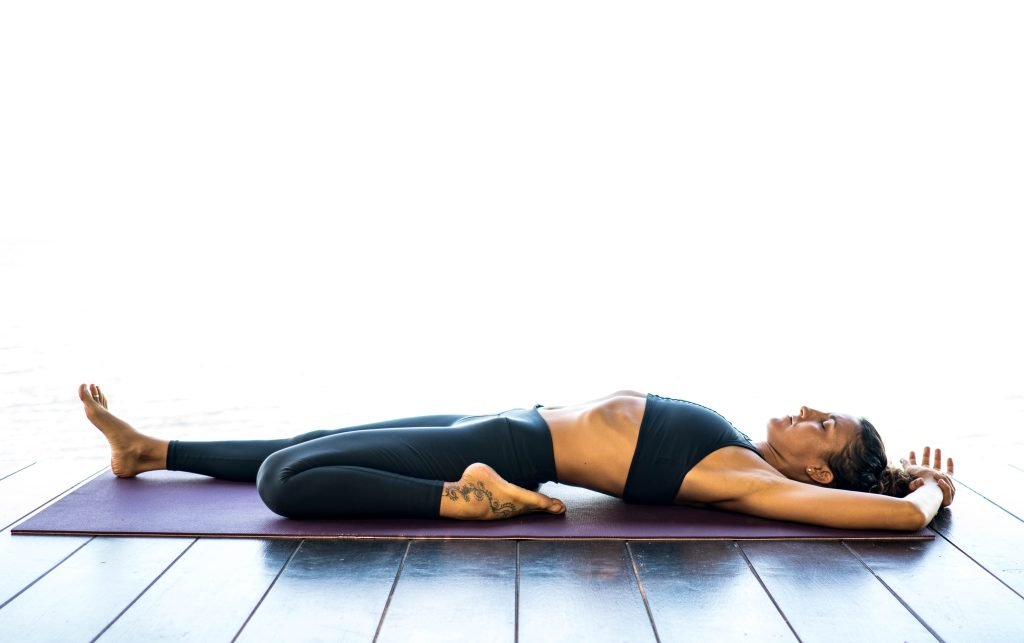
Yin Yoga for Fascia Health, Joint Mobility and Deep Recovery

Modern movement habits in Singapore are highly repetitive. Sitting for long hours, commuting, training hard in the gym, or constantly being on the go places continuous stress on joints and connective tissues. While many people focus on muscles, a large part of stiffness, restricted movement, and lingering discomfort actually comes from the fascia network that surrounds and connects the entire body.
This is where specialised yoga classes Singapore that include Yin-based practices become highly valuable. Yin yoga targets deeper connective tissues rather than surface muscles, making it a powerful approach for mobility, recovery, and long-term joint health.
Understanding Fascia and Why It Matters
Fascia is a web-like connective tissue that wraps around muscles, bones, organs, and joints. It provides structural support, transmits force, and allows smooth movement between tissues. When healthy, fascia is supple and hydrated. When stressed or neglected, it becomes stiff, sticky, and restrictive.
Common factors that affect fascia health include:
-
Prolonged sitting or standing
-
Repetitive movement patterns
-
High-intensity training without adequate recovery
-
Dehydration and poor circulation
-
Chronic stress and shallow breathing
Unlike muscles, fascia responds slowly and requires sustained, gentle loading rather than quick stretching.
Why Muscle Stretching Alone Is Not Enough
Many people stretch regularly yet still feel tight. This happens because fast, dynamic stretching primarily targets muscles, not fascia. Fascia requires time under tension to remodel and release.
Without addressing fascia:
-
Joint range of motion remains limited
-
Movement feels restricted even after warming up
-
Recovery between workouts slows down
-
Minor discomfort becomes chronic stiffness
Yin yoga addresses this gap by holding poses long enough to influence deeper tissues safely.
How Yin Yoga Works on Fascia
Yin yoga is characterised by passive poses held for extended periods, usually between two to five minutes. Muscles are encouraged to relax so that stress is placed gently on connective tissue.
Key principles include:
-
Minimal muscular engagement
-
Slow, sustained loading of joints
-
Stillness combined with breath awareness
-
Gradual adaptation rather than force
This approach stimulates fascial hydration, improves elasticity, and supports joint health over time.
The Role of Time and Stillness in Recovery
Unlike dynamic practices, Yin yoga values stillness. This stillness allows the nervous system to downshift, which is essential for tissue repair.
During sustained holds:
-
Circulation improves to less-used tissues
-
Fascia absorbs fluid and becomes more pliable
-
The body enters a recovery-focused state
-
Awareness of subtle sensations increases
This makes Yin particularly effective after intense training or long workdays.
Joint Mobility Without Aggressive Stretching
Joint mobility depends on the health of surrounding connective tissues, not just muscle length. Yin yoga works directly with joints by exploring safe end ranges in a controlled way.
Benefits include:
-
Improved hip, spine, and shoulder mobility
-
Reduced joint compression sensations
-
Better movement efficiency during exercise
-
Lower risk of overuse injuries
Because movements are slow and intentional, the risk of overstretching is significantly reduced.
Fascia, Stress, and Emotional Holding
Fascia is highly responsive to stress. Emotional tension often manifests physically as tight hips, shoulders, or lower back stiffness.
Yin yoga creates space for:
-
Emotional release through stillness
-
Awareness of unconscious holding patterns
-
Deep relaxation that supports mental recovery
-
Improved body-mind connection
Many practitioners find Yin sessions unexpectedly calming, even emotionally grounding.
Why Yin Yoga Complements Active Lifestyles
In Singapore, many people combine desk work with high-energy fitness activities. While this keeps muscles strong, it can overload connective tissues if recovery is insufficient.
Yin yoga balances this by:
-
Supporting recovery without adding fatigue
-
Improving flexibility without weakening joints
-
Enhancing performance by restoring movement quality
-
Reducing soreness from intense workouts
This makes it ideal for runners, strength trainers, cyclists, and yoga practitioners alike.
Breathing and Fascia Hydration
Breath plays an important role in fascial health. Shallow breathing limits circulation and tissue hydration.
In Yin practice:
-
Slow breathing enhances fluid exchange
-
Long exhalations encourage relaxation
-
Breath awareness prevents forcing stretches
-
The diaphragm supports spinal mobility
This integration of breath and stillness accelerates recovery processes naturally.
Common Areas Targeted in Yin Yoga
While Yin yoga benefits the whole body, certain areas are especially responsive due to their connective tissue density.
Frequently targeted regions include:
-
Hips and pelvis
-
Lower spine and sacrum
-
Hamstrings and calves
-
Shoulders and upper back
-
Neck and thoracic spine
Improving mobility in these areas often leads to noticeable changes in overall movement quality.
Why Guided Yin Classes Matter
Although Yin yoga appears simple, improper alignment or excessive intensity can stress joints unnecessarily. Guided classes ensure safety and effectiveness.
Experienced instructors provide:
-
Clear cues for safe joint positioning
-
Modifications based on individual anatomy
-
Use of props for support and comfort
-
Balanced sequencing to avoid overstimulation
This guidance is especially important for those recovering from injuries or managing chronic stiffness.
For practitioners seeking thoughtful, recovery-focused programming, Yoga Edition offers classes that integrate Yin yoga principles into a broader movement practice.
Integrating Yin Yoga Into Weekly Routines
Yin yoga does not need to replace other activities. It works best as a complement.
Many people integrate Yin by:
-
Practising once or twice a week
-
Using it on rest or recovery days
-
Pairing it with strength or cardio training
-
Choosing evening sessions to improve sleep
Consistency, rather than intensity, is the key to lasting benefits.
Long-Term Benefits of Fascia-Focused Practice
With regular practice, Yin yoga supports long-term joint health and mobility.
Common long-term outcomes include:
-
Improved posture and alignment
-
Reduced joint discomfort
-
Better movement efficiency
-
Faster recovery after exercise
-
Increased body awareness
These changes accumulate gradually and contribute to sustainable physical wellbeing.
FAQs
Q: Is Yin yoga suitable for people who already exercise regularly?
A: Yes. Yin yoga complements active training by improving recovery, mobility, and connective tissue health without adding physical strain.
Q: How often should Yin yoga be practised for fascia benefits?
A: One to two sessions per week is sufficient for most people, especially when combined with other movement practices.
Q: Can Yin yoga help with joint stiffness from sitting all day?
A: Yes. Sustained poses target connective tissues affected by prolonged sitting and help restore joint mobility.
Q: Does Yin yoga feel intense even though it is slow?
A: Sensations can be strong but should never be painful. The focus is on mild to moderate sensation held comfortably.
Q: Is Yin yoga appropriate for people with previous injuries?
A: It can be, but guided instruction is important. Modifications and props help ensure joints are supported safely.